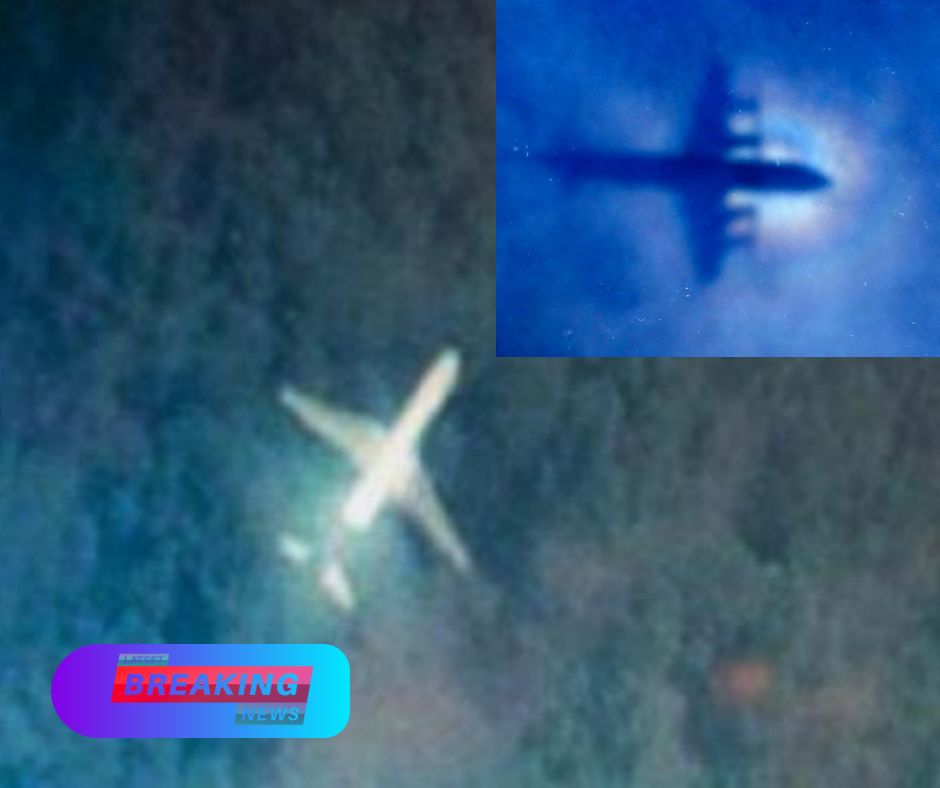
Chinese Court Orders Massive Compensation as Malaysia Airlines Told to Pay Rp 54 Billion to MH370 Families
A Malaysia Airlines compensation ruling issued by a Chinese court has reignited global attention on the long-troubled MH370 tragedy. The court ordered the airline to pay Rp 54 billion to several families of passengers who vanished aboard the flight that disappeared in March 2014. This significant legal milestone places new pressure on the airline and marks another chapter in the decade-long pursuit of justice for the victims’ loved ones.
The ruling not only carries financial consequences but also symbolizes a renewed international push for accountability in one of aviation’s greatest unsolved mysteries.
A Decade-Old Tragedy Still Haunting the World
When flight MH370 vanished en route from Kuala Lumpur to Beijing, it created a global mystery that remains unresolved. Despite extensive multinational search efforts spanning years and involving some of the most advanced oceanic search technologies ever deployed, the aircraft’s whereabouts are still unknown.
Families have endured years of unanswered questions, conflicting theories, and emotional turmoil. For many, legal action has become one of the few paths toward recognition, justice, and accountability.
The recent ruling by the Chinese court—coming more than ten years after the disappearance—was a powerful reminder that the pain associated with MH370 has not faded.
Details of the Court’s Compensation Order
The court mandated that Malaysia Airlines provide financial restitution totaling Rp 54 billion, a sum derived from combined compensation for multiple Chinese families. In calculating the amount, the court reportedly considered factors such as emotional suffering, loss of income, disrupted family structures, and the irreversible impact of losing loved ones without closure.
Legal analysts note that this figure may influence future claims from other families still pursuing compensation. More cases are pending across various jurisdictions, meaning this ruling could serve as a benchmark for upcoming decisions.
While Malaysia Airlines has previously provided settlements in several cases, many families argued that earlier amounts did not reflect the full magnitude of their loss—especially given the unresolved nature of the tragedy.
A Human Story Behind the Legal Documents
Behind every legal filing and compensation figure are lives forever changed. For many of the families involved in this ruling, the MH370 disappearance did not simply remove a member of the household—it shattered entire support systems.
One family lost its sole provider. Another lost a child who was pursuing studies abroad. Others lost spouses, parents, or multiple relatives. The emotional wounds have been made worse by a decade of uncertainty, with no remains recovered and no definitive explanation offered.
The Chinese court’s decision acknowledges these layers of suffering, going beyond economic calculation to recognize emotional devastation. Families have shared that even though monetary compensation cannot replace loved ones, it helps validate their long struggle for acknowledgment.
Malaysia Airlines’ Position and the Wider Implications
Malaysia Airlines, which has faced immense scrutiny for its handling of the disappearance, has not publicly contested the ruling at the time of writing. The airline has undergone restructuring, financial rehabilitation, and operational overhaul since 2014, largely due to the impact of MH370 and the subsequent MH17 tragedy the same year.
Airline experts suggest that while the Rp 54 billion payout may not be financially crippling for the company today, the symbolic weight is substantial. It raises questions about how aviation authorities, carriers, and governments handle crises of this magnitude—and how responsibility is determined in the absence of concrete answers.
The ruling also places indirect pressure on Malaysian authorities and international aviation bodies, reminding them that families still expect full transparency and renewed efforts to uncover the truth behind MH370’s fate.
Why This Ruling Matters for Global Aviation
The implications of this compensation verdict extend beyond Malaysia Airlines. Aviation regulators, safety investigators, and airline companies worldwide continue to examine the MH370 case as a catalyst for major reforms.
Some of the most significant changes inspired by the tragedy include:
1. Improved Real-Time Aircraft Tracking
Before MH370, commercial aircraft tracking was inconsistent over remote areas. Now, airlines and monitoring agencies have adopted stricter standards to prevent aircraft from going “dark” during flights.
2. Enhanced Emergency Communication Systems
New systems ensure that even if a plane loses contact with ground control, automated distress signals can still be sent.
3. Strengthened Passenger Rights
Governments, legal bodies, and aviation organizations now encourage clearer compensation guidelines and standardized crisis protocols.
The Chinese court’s compensation ruling reinforces the continued importance of these reforms while highlighting that justice and accountability remain essential components of safety progress.
Families Still Seek Answers, Not Just Compensation
While the Rp 54 billion order is a major development, it does not close the chapter for MH370 families. Many remain focused on the same core question: What exactly happened to the aircraft?
Some families and aviation investigators have advocated for a renewed search. Private companies have offered to undertake further exploration efforts with payment contingent on discovering the aircraft. A few governments have hinted at possible support if new evidence emerges.
For the families, compensation—no matter the amount—cannot replace the truth. Many continue to participate in remembrance events, petitions, and international forums dedicated to solving aviation mysteries.
A Legal Victory with Emotional Weight
The compensation ruling represents not only a legal victory but also emotional validation. Many families felt ignored or sidelined in earlier investigations. This new decision gives them a renewed sense of acknowledgment from a major legal body.
For some, it also brings a measure of relief—financial support that can help rebuild lives disrupted by loss. Still, emotional closure remains elusive, and the disappearance of MH370 continues to be a haunting reminder of the limits of modern technology and human capability.
Looking Ahead: What Comes Next?
The Chinese court’s decision is likely to influence upcoming cases in both China and other countries with MH370 victims. Legal experts expect more families to pursue similar claims, and airlines worldwide will be watching closely for ripple effects on international aviation liability standards.
Whether this will lead to a new wave of legal actions or negotiations remains to be seen. What is certain, however, is that the pursuit of justice for MH370 continues, driven by families unwilling to let the tragedy fade into history.
This ruling proves that—even after a decade—the world has not forgotten MH370. And neither will the courts.