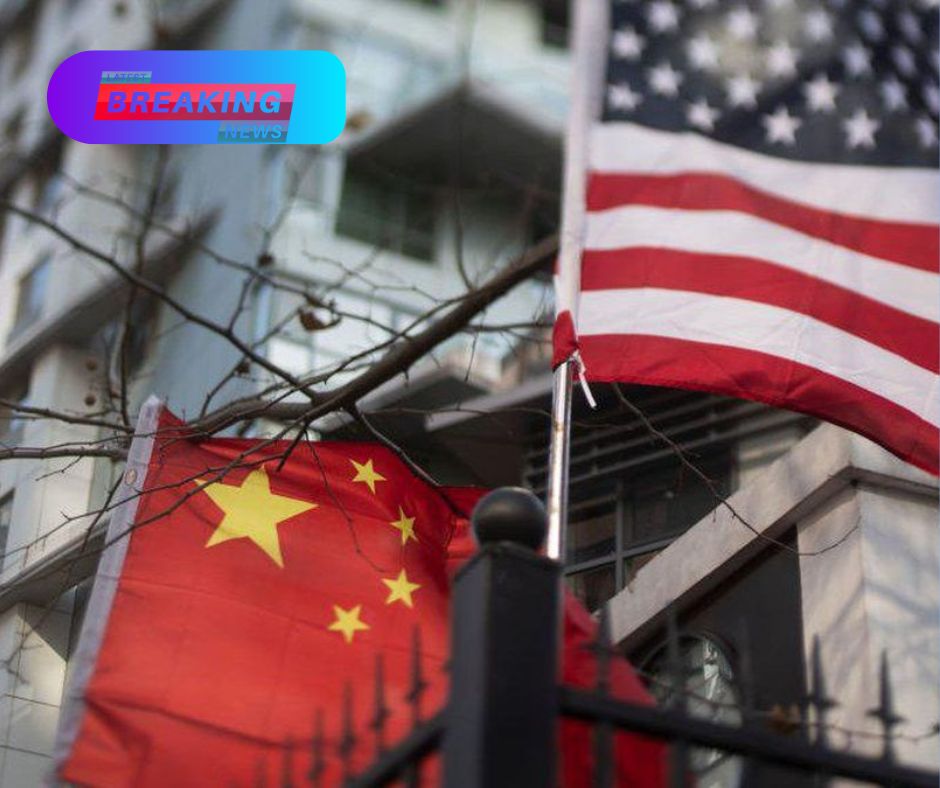
China sanctions US companies in a move that underscores rising geopolitical friction in East Asia, as Beijing announced punitive measures against 20 American firms accused of supplying weapons to Taiwan. The decision highlights how arms sales to the self-governed island remain one of the most sensitive flashpoints in relations between the world’s two largest economies, with implications extending far beyond the defense sector.
What China Announced
China’s Ministry of Foreign Affairs confirmed that 20 United States-based companies would face sanctions for their alleged involvement in weapons transfers to Taiwan. The measures reportedly include restrictions on business dealings, bans on new investments in China, and limitations on executive travel.
Officials in Beijing stated that the sanctions were a direct response to what they described as repeated violations of China’s sovereignty and security interests. According to the Chinese government, arms transactions with Taiwan undermine regional stability and contravene commitments made by Washington in earlier diplomatic agreements.
The announcement follows a series of US-approved defense packages aimed at strengthening Taiwan’s military capabilities, particularly in air defense, surveillance, and coastal protection.
Why Taiwan Arms Sales Are So Sensitive
Taiwan occupies a central role in tensions between China and the United States. Beijing considers Taiwan part of its territory and has vowed to achieve reunification, by force if necessary. Washington, while not formally recognizing Taiwan as a sovereign state, maintains unofficial relations and supplies defensive weapons under long-standing legislation.
From Beijing’s perspective, every arms deal signals foreign interference in what it views as an internal matter. For Washington, such sales are framed as necessary to help Taiwan maintain sufficient self-defense capabilities amid increasing military pressure from the mainland.
This fundamental disagreement ensures that arms transfers remain a recurring trigger for diplomatic retaliation.
Impact on US Companies
The sanctions are expected to have mixed effects across the targeted firms. Some defense contractors have limited exposure to the Chinese market, meaning the immediate financial impact could be minimal. However, for companies with supply chains, partnerships, or technology collaborations linked to China, the restrictions could complicate operations.
Analysts also warn of longer-term consequences. Even symbolic sanctions can send a chilling message to global investors and suppliers, potentially discouraging future cooperation with sanctioned entities. In addition, executives may face personal restrictions that affect international travel and negotiations.
The US government has yet to publish a detailed response, though officials have historically criticized similar measures as coercive and ineffective.
Escalating Tensions Between Beijing and Washington
The latest move adds to a growing list of disputes between Beijing and Washington, spanning trade, technology, human rights, and regional security. While both sides have periodically expressed interest in stabilizing relations, actions tied to Taiwan continue to derail diplomatic progress.
In recent years, China has responded to US arms sales with military drills near Taiwan, economic countermeasures, and diplomatic protests. This latest round of sanctions reinforces a pattern in which economic tools are increasingly used to signal political displeasure.
Observers note that such actions are designed not only to punish specific companies but also to deter future arms transactions involving Taiwan.
Regional and Global Implications
Beyond bilateral relations, the sanctions carry broader regional significance. Neighboring countries are closely watching how tensions evolve, particularly as East Asia plays a critical role in global trade and supply chains.
Any escalation around Taiwan raises concerns about shipping routes, semiconductor production, and energy security. Taiwan is a major hub for advanced chip manufacturing, and instability in the region could disrupt industries worldwide.
European and Asian allies of the United States may also find themselves navigating a delicate balance, as they seek to maintain economic ties with China while supporting regional security frameworks.
China’s Use of Sanctions as a Policy Tool
China’s sanctions strategy has evolved significantly in recent years. Once reluctant to employ economic punishment openly, Beijing now uses targeted measures as part of its diplomatic toolkit. These actions often focus on specific sectors or entities, allowing China to signal resolve without resorting to broader trade wars.
In the case of US arms suppliers, the message is clear: involvement in Taiwan-related defense activities carries consequences. Whether this approach effectively alters behavior remains debated, especially given Washington’s longstanding commitment to Taiwan’s defense.
Washington’s Likely Response
US officials have consistently defended arms sales to Taiwan as lawful and necessary. While the White House has not announced immediate countermeasures, past responses suggest Washington will continue approving defense packages while condemning China’s sanctions.
Some lawmakers have already called for increased support for Taiwan, arguing that Beijing’s actions demonstrate growing assertiveness. Others caution that escalating retaliation could reduce opportunities for dialogue and crisis management.
The situation places US policymakers in a familiar dilemma: how to deter aggression without provoking further escalation.
What Comes Next
As China sanctions US companies over Taiwan arms sales, the standoff shows little sign of easing. Future developments will likely depend on upcoming defense decisions in Washington and Beijing’s assessment of their political impact.
Diplomats on both sides face the challenge of preventing economic and military competition from spiraling into open confrontation. Yet as long as Taiwan remains at the center of strategic rivalry, similar confrontations are likely to recur.
For global markets and regional stability, the episode serves as another reminder that geopolitical tensions increasingly shape business risks, investment decisions, and international cooperation.