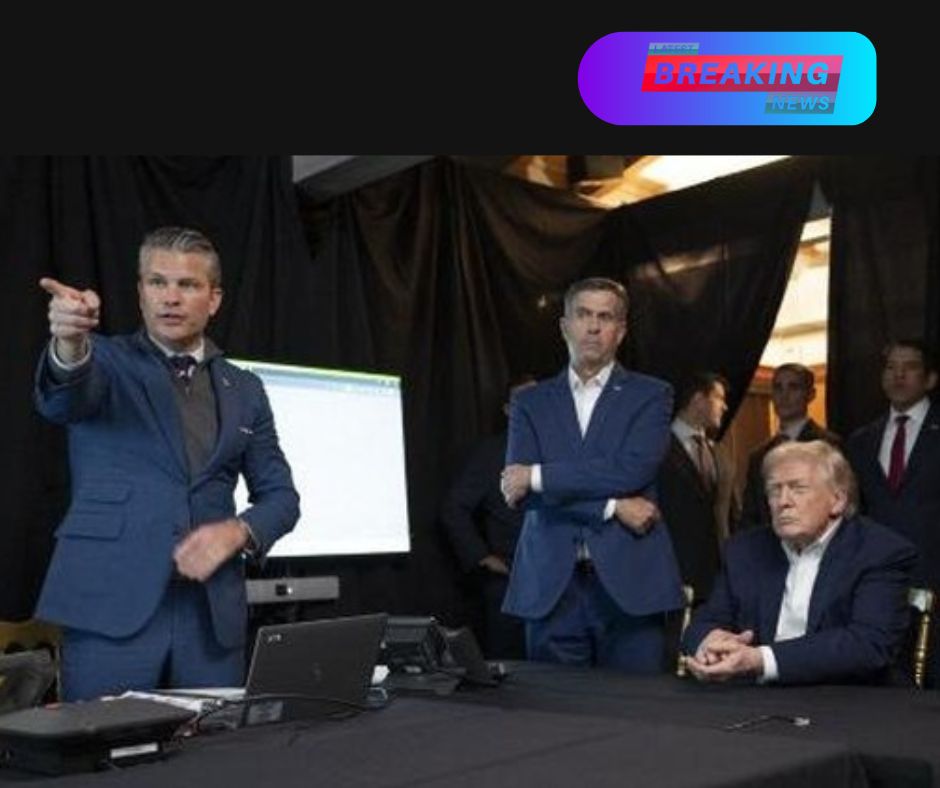
Trump watching Maduro capture reportedly felt more like following a dramatic television series than overseeing a real-world foreign policy operation. According to accounts from former officials, the former US president observed developments around the attempted apprehension of Venezuela’s leader with the kind of detachment usually reserved for entertainment, not high-stakes geopolitics. The revelation offers a striking glimpse into how power, spectacle, and strategy blurred during one of the most controversial episodes in US–Venezuela relations.
At the center of the story is Donald Trump, whose administration pursued aggressive policies aimed at unseating Nicolás Maduro, the embattled leader of Venezuela. What stands out is not only the ambition of the plan, but the way it was reportedly consumed by the president himself.
A High-Risk Operation Turned Political Theater
The idea of capturing or removing Maduro emerged amid escalating tensions between Caracas and Washington. The Trump administration openly backed Venezuela’s opposition and imposed sweeping sanctions designed to choke off revenue to the government. Within that climate, discussions about apprehending Maduro—whether through law enforcement cooperation or covert action—gained traction in some circles.
Sources familiar with internal conversations say Trump followed updates closely, yet treated them with an air of spectacle. Descriptions likening his engagement to “watching a TV show” suggest a mindset shaped by years in entertainment before politics. Rather than focusing solely on diplomatic consequences, Trump was reportedly drawn to the drama of the unfolding events.
Entertainment Meets Executive Power
Trump’s background as a reality television star has long influenced perceptions of his presidency. From campaign rallies to Oval Office briefings, critics often argued that he viewed politics through the lens of ratings and narrative arcs. The Maduro episode appears to reinforce that image.
Instead of quiet deliberation behind closed doors, developments were framed as episodic moments—successes, setbacks, cliffhangers. For supporters, this approach reflected transparency and decisiveness. For critics, it raised alarms about the seriousness with which life-and-death foreign policy decisions were handled.
Venezuela’s Crisis as a Global Flashpoint
Venezuela’s internal turmoil has drawn international attention for years, with hyperinflation, political repression, and mass migration destabilizing the region. The United States positioned itself as a champion of democratic change, while allies and rivals alike took sides.
China and Russia continued to recognize Maduro as the legitimate leader, while Washington and several Latin American governments supported opposition figures. Against this backdrop, any plan to capture Maduro carried enormous diplomatic risks, potentially igniting broader confrontation.
Inside the White House: Mixed Reactions
Accounts suggest not everyone in Trump’s inner circle shared his detached fascination. Some advisers reportedly worried about legal boundaries and international fallout. Others questioned whether the intelligence underpinning the plan was solid.
Yet Trump’s interest remained strong. Updates were followed closely, with the former president reacting to developments much as a viewer might respond to plot twists. That dynamic, former officials argue, shaped the tone of decision-making, prioritizing bold gestures over cautious diplomacy.
US Policy and the Regime Change Debate
The episode reignited debate over Washington’s long history of regime-change efforts. Supporters argue that strong action is sometimes necessary to confront authoritarian leaders. Opponents counter that such strategies often backfire, entrenching those in power and harming civilians.
In Venezuela’s case, years of pressure failed to dislodge Maduro. Instead, sanctions deepened economic hardship, while the government consolidated control. The reported “TV show” framing of the capture operation has become a symbol for critics who see US policy as performative rather than effective.
How the Story Plays Internationally
Globally, revelations about Trump watching the Maduro operation like entertainment have fueled skepticism toward US leadership. Rivals cite the episode as evidence of recklessness, while allies privately question judgment.
For Venezuela, the story reinforces Maduro’s narrative of foreign plots and external threats. State media has repeatedly portrayed US actions as imperial overreach, using such accounts to rally domestic support and justify crackdowns on dissent.
Lessons from a Failed Spectacle
In hindsight, the attempted capture of Maduro—however loosely defined—stands as a cautionary tale. It illustrates how personality at the top can shape policy tone and perception. When complex geopolitical maneuvers are treated as spectacle, the consequences can ripple far beyond the viewing screen.
The idea that Trump watching Maduro capture resembled following a TV drama may seem anecdotal, yet it captures a deeper truth about that era of US foreign policy: blurred lines between governance and showmanship.
Conclusion: Power, Drama, and Real-World Consequences
The comparison to a television show is more than a colorful metaphor. It highlights the risks of approaching international crises with an entertainment mindset. For Venezuela, the stakes were national sovereignty and human welfare. For the United States, credibility and global standing were on the line.
As future administrations reassess how to engage with authoritarian regimes, the Maduro episode serves as a reminder that real-world politics is not episodic fiction. Decisions made for dramatic impact can leave lasting scars—long after the cameras stop rolling.