Trump Insists on Seizing Greenland, Triggering NATO Alarm
The statement that Trump insists on seizing Greenland has once again stirred international controversy, reviving concerns over Arctic sovereignty and transatlantic unity. The renewed rhetoric has not only drawn sharp reactions from Denmark and Greenlandic leaders but has also pushed six NATO member states to coordinate diplomatic and security responses.
The issue highlights how strategic competition in the Arctic is no longer theoretical. Instead, it has become a central element of global geopolitics, involving military positioning, natural resources, and alliance credibility.
Trump’s Greenland Obsession Resurfaces
Donald Trump has repeatedly framed Greenland as a strategic asset, citing its geographic position between North America and Europe. He has argued that the island is vital for missile defense, Arctic shipping routes, and access to rare earth minerals.
While such remarks were initially dismissed as unconventional diplomacy, their repetition has forced allies to take them more seriously. Observers say the language used suggests a transactional view of territory that clashes with modern international norms.
Why Greenland Matters Strategically
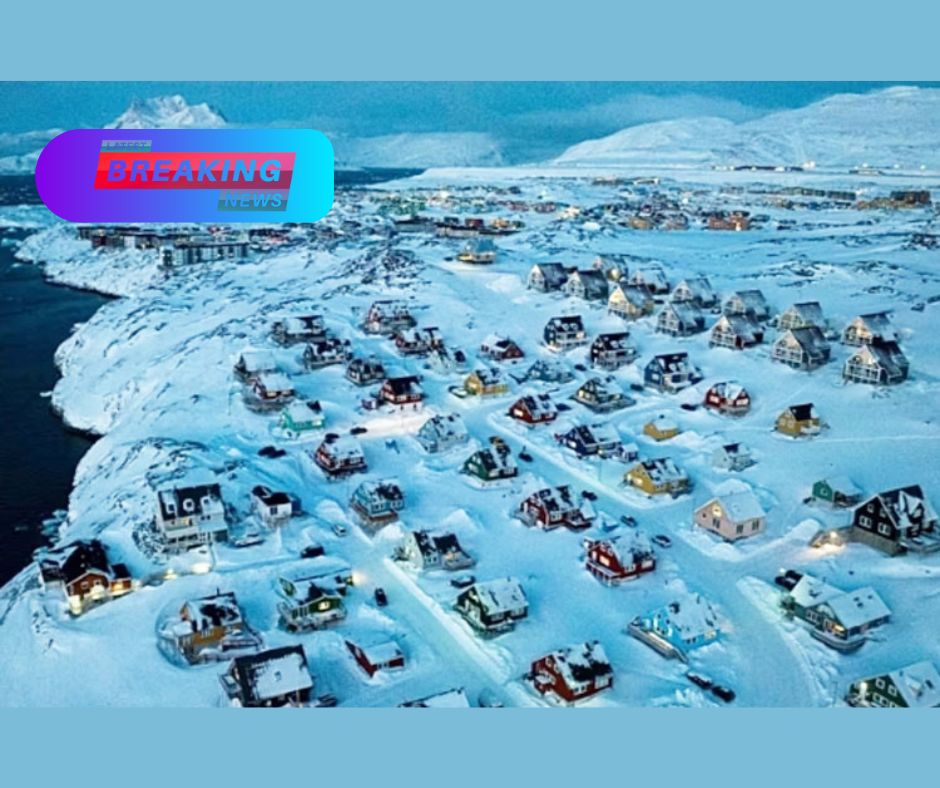
Greenland sits at the heart of the Arctic, a region gaining importance due to melting ice and expanding navigable waters. Control over the area offers early-warning military advantages and influence over emerging trade routes.
Beyond defense considerations, Greenland holds vast untapped natural resources. These include rare earth elements critical for advanced technologies, making the island a focal point of strategic competition among major powers.
Denmark and Greenland Reject the Idea
Danish officials have firmly rejected any suggestion of transferring sovereignty, emphasizing that Greenland’s future lies in self-determination. Greenland’s local government has echoed this stance, stating that the territory is not for sale under any circumstances.
The diplomatic response underscores a broader concern: rhetoric about acquisition undermines trust between allies. European leaders warn that such narratives could destabilize relations within long-standing partnerships.
Six NATO Countries Step In
Following the latest comments, six NATO members reportedly intensified consultations on Arctic security and alliance coordination. These discussions focus on deterrence, joint military exercises, and reinforcing political unity.
North Atlantic Treaty Organization officials stress that collective defense principles apply equally in the Arctic. Any unilateral attempt to alter territorial arrangements would be viewed as a serious breach of alliance norms.
The Arctic Becomes a NATO Priority
In recent years, NATO has increasingly emphasized the Arctic in its strategic planning. Climate change has opened new routes while intensifying competition with Russia and China, both of which are expanding their Arctic presence.
Against this backdrop, statements suggesting territorial acquisition risk distracting from shared security objectives. Analysts argue that internal disputes weaken the alliance’s ability to present a united front in a rapidly changing region.
International Law and Sovereignty Issues
Legal experts point out that Greenland’s status is protected under international law. Any attempt to seize territory without consent would violate the UN Charter and established norms governing sovereignty.
Even hypothetical discussions of acquisition create diplomatic fallout. Allies fear that normalizing such ideas could embolden similar claims elsewhere, destabilizing the global order.
Political Messaging vs. Policy Reality
Some analysts believe the Greenland rhetoric serves more as political messaging than actionable policy. By projecting strength and strategic ambition, Trump appeals to domestic audiences concerned with national security.
However, foreign governments must respond based on worst-case scenarios. As a result, even rhetorical posturing can trigger tangible diplomatic and military planning.
Implications for US–Europe Relations
The controversy adds strain to US–European relations already tested by trade disputes and differing foreign policy priorities. European leaders emphasize that alliance cohesion depends on mutual respect for sovereignty.
Should tensions escalate, cooperation on defense spending, intelligence sharing, and Arctic operations could be affected. This explains why NATO countries are acting preemptively rather than dismissing the issue outright.
Conclusion
The claim that Trump insists on seizing Greenland has evolved from a controversial soundbite into a catalyst for serious geopolitical discussions. With six NATO countries responding through coordinated action, the episode highlights growing sensitivities around Arctic security and alliance unity.
As climate change reshapes global strategy, Greenland’s importance will only increase. Whether rhetoric subsides or intensifies, the situation underscores how words alone can influence international stability in an increasingly contested region.