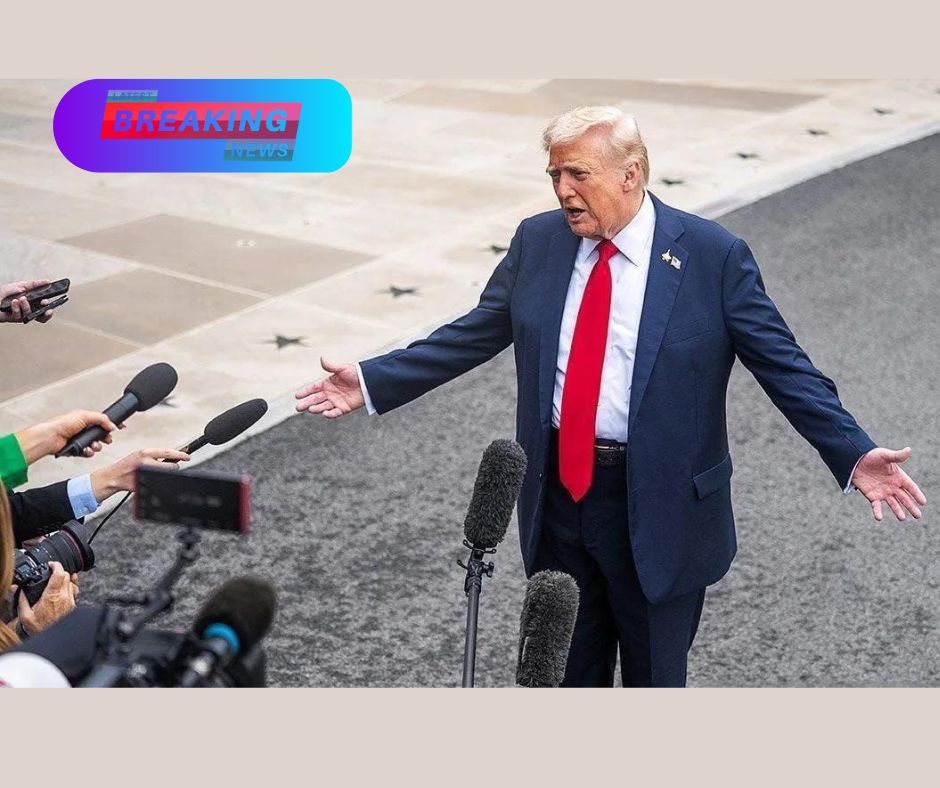
Trump Greenland annexation returned to the spotlight after the former U.S. president again spoke about bringing the Arctic island under American control, warning that it could happen “the easy way or the hard way.” The remark reignited global concern about how far Washington might go to secure strategic territory in the far north, a region that has become increasingly valuable because of defense, energy, and shipping routes.
Why Greenland Is So Important
Greenland may look like a frozen wilderness on a map, but its geopolitical value is enormous. It sits between North America and Europe, making it a key military corridor. The United States already operates the Thule Air Base there, which plays a vital role in missile detection and space surveillance.
In addition, melting Arctic ice is opening new shipping lanes and exposing rare earth minerals, oil, and gas. These resources are critical for modern technology, including electric vehicles, weapons systems, and advanced electronics. From Washington’s perspective, allowing rivals like China or Russia to gain influence in Greenland is a strategic nightmare.
Trump’s Longstanding Interest in the Island
Trump first shocked the world in 2019 when he floated the idea of buying Greenland from Denmark. While Copenhagen rejected the proposal, the former president never fully dropped the concept. His latest comments suggest a more aggressive tone, implying that American control is not merely a business deal but a national security necessity.
This framing fits Trump’s broader foreign policy style, which often blends economic bargaining with power politics. By talking about Greenland in such blunt terms, he signals to allies and adversaries alike that the Arctic is now part of a global contest for dominance.
What “Easy Way or Hard Way” Really Means
The phrase raised eyebrows because it sounded less like diplomacy and more like a warning. The “easy way” likely refers to negotiations, financial incentives, or political pressure aimed at Denmark and Greenland’s local government. The “hard way” hints at stronger measures, such as military leverage or severe economic pressure.
Even if no immediate action follows, such rhetoric can destabilize international relations. Denmark is a NATO ally, and Greenland has its own elected government that strongly supports self-determination. Any attempt to force a territorial change would shake the foundation of Western alliances.
How Denmark and Greenland Might Respond
Greenland is not just a Danish possession; it has a high level of autonomy and its own parliament. Most residents oppose becoming part of the United States, although some welcome foreign investment.
Denmark has repeatedly stated that Greenland is not for sale. If Washington pushes harder, Copenhagen could rally support within NATO and the European Union, framing the issue as a challenge to international law and sovereignty.
Global Reactions and Strategic Anxiety
China and Russia are watching closely. Both countries have increased their Arctic activity in recent years, from scientific missions to military exercises. Any U.S. attempt to assert more control over Greenland would likely be seen as an escalation in the race for Arctic supremacy.
Other nations worry about the precedent. If a powerful state can openly discuss taking territory from an ally, it weakens the global norm that borders should not be changed by pressure or force.
Legal and Political Barriers
International law does not allow one country to simply annex another region without consent. Greenland’s people would have to agree, and Denmark would have to sign off. Without that, any move would be widely condemned and could trigger sanctions, diplomatic isolation, or worse.
In the United States, Congress would also have a say. Funding, treaties, and long-term governance of a massive Arctic landmass would require legislative approval, making a sudden takeover highly unlikely.
Why Trump Keeps Raising the Issue
For Trump, talking about Greenland serves multiple purposes. It projects strength, appeals to voters who like bold moves, and highlights his focus on strategic resources. It also keeps attention on his vision of American power at a time when global competition is intensifying.
Whether or not the plan ever becomes reality, the message is clear: the Arctic is no longer a distant, frozen backwater. It is a frontline of 21st-century geopolitics.
What This Means for the Future
The debate over Trump Greenland annexation shows how rapidly the world is changing. Climate shifts, technological needs, and military strategy are turning remote regions into valuable prizes. Greenland, once overlooked, now sits at the center of that transformation.
Even if Trump never acts on his words, the controversy ensures that Greenland will remain a focus of global diplomacy and strategic planning for years to come.
Conclusion
Trump’s renewed push to bring Greenland under U.S. control has stirred fresh controversy and anxiety among allies. By presenting the idea as a choice between negotiation and pressure, he has elevated a long-standing curiosity into a serious geopolitical talking point.
As Arctic competition grows, Greenland’s future will continue to attract powerful interests. For now, however, the island’s leaders and Denmark stand firm, insisting that their land and their people are not bargaining chips in a global power game.