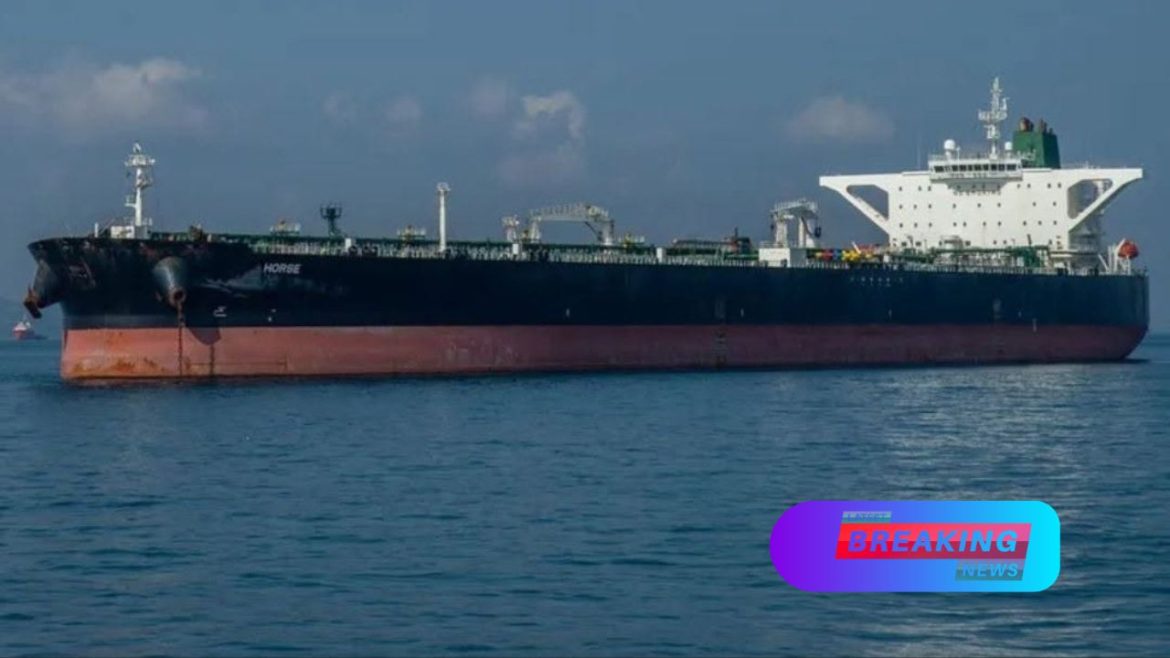
Supertanker auction prices are making headlines again as massive oil carriers return to the market with numbers that leave many observers shaking their heads. These giant ships, once considered aging assets, are suddenly becoming some of the hottest properties in global maritime trade.
The renewed wave of auctions is not just a niche shipping story. It reflects major shifts in energy transport, international trade routes, and the rising demand for vessels capable of moving millions of barrels of crude oil across oceans.
In recent months, buyers have been willing to pay far more than expected, even for older ships. The question is simple: why are these enormous tankers suddenly worth so much?
Why Supertankers Are Being Auctioned Again
Auctions of large crude carriers happen when shipowners restructure fleets, companies face financial pressure, or vessels are seized and resold. What makes today’s auctions different is the intensity of competition.
Many shipping firms want immediate access to capacity without waiting years for new shipbuilding orders. With global demand for oil transport still strong, purchasing an existing tanker — even at auction — can be faster than commissioning a new one.
Rising Demand in Energy Shipping
Oil continues to flow heavily across long-distance routes, especially as trade patterns change. Countries are sourcing crude from farther suppliers, meaning voyages take longer, tying up ships for extended periods.
That extra time boosts demand for available supertankers and pushes values upward.
The Price Surge That Has Buyers Shocked
The biggest surprise is the final sale price. Analysts expected moderate increases, but bidding wars have pushed auction results far beyond traditional benchmarks.
Some vessels that might have sold cheaply a few years ago are now commanding sums close to modern-market valuations. This reflects how tight the supply of large tankers has become.
Older Ships, New Value
Normally, older tankers lose value quickly due to maintenance costs and regulatory requirements. But today, even ships nearing the later stages of service are being treated as valuable transport tools.
As long as freight rates remain profitable, buyers see these vessels as short-term money makers.
What’s Driving Supertanker Auction Prices Higher?
Several factors are fueling this unusual market:
1. Limited New Ship Supply
Shipyards are booked with container ships, LNG carriers, and other projects. New tanker construction is not expanding fast enough, creating scarcity.
2. Strong Freight Earnings
High charter rates mean operators can recover purchase costs faster. Even expensive auction deals may still deliver returns.
3. Shifting Trade Routes
Geopolitical tensions and sanctions have rerouted oil flows, increasing demand for longer-haul shipping.
4. Speculation and Asset Plays
Some investors buy tankers not just for transport but as floating assets that may rise further in value.
Risks Behind the Headlines
While supertanker auction prices look impressive, buyers face real risks:
- Regulatory crackdowns on older vessels
- Rising fuel and operating costs
- Market downturns if oil demand weakens
- Uncertainty in global trade policy
A tanker bought at a record price could quickly become a burden if freight rates fall.
What This Means for the Shipping Market
These auctions show how volatile and opportunity-driven the maritime industry can be. Supertankers, once viewed as aging giants, are again at the center of global energy logistics.
If demand stays strong, more auctions may follow — and prices could remain surprisingly high. But if conditions shift, today’s buyers may look back and wonder if the market overheated.
Conclusion: A Market That’s Turning Heads
Supertanker auction prices have returned with shocking force, reminding the world that even decades-old ships can become prized assets in the right conditions. For shipping companies, investors, and global traders, these sales are a clear signal: the battle for ocean transport capacity is far from over.
As auctions continue, the maritime world will be watching closely — and many will still be shaking their heads at the numbers.