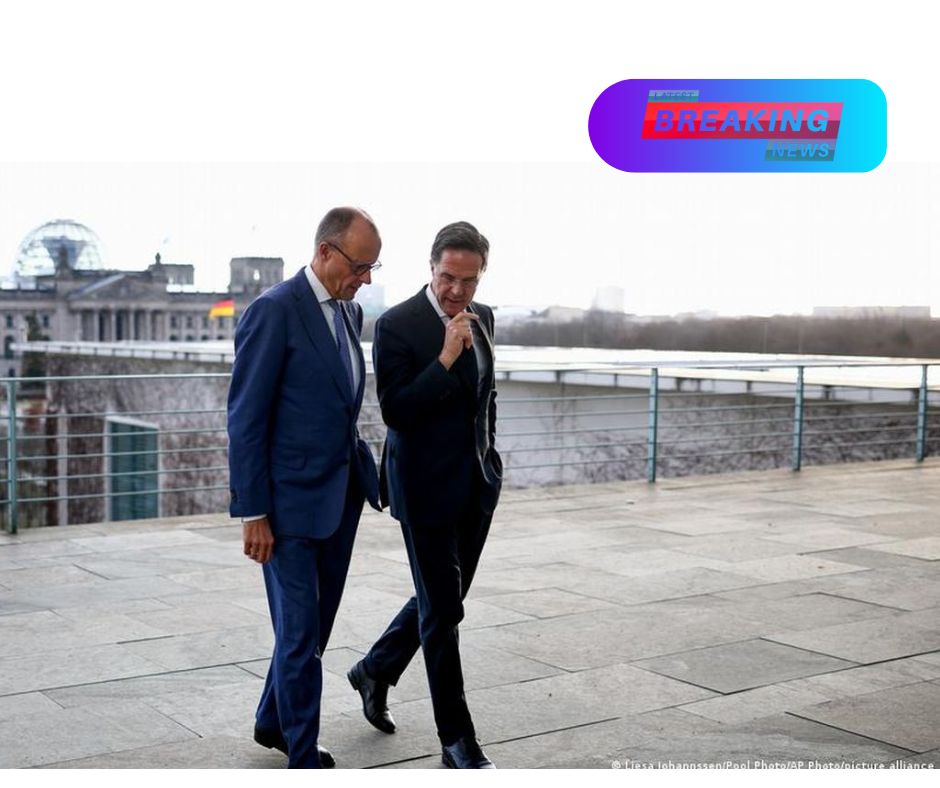
In a stark warning that has raised alarms across the continent, NATO Secretary General Jens Stoltenberg has stated that Russia’s ambitions could soon extend beyond Ukraine, potentially targeting Europe next. This statement underscores the growing concerns about Russian expansionism, especially after the ongoing invasion of Ukraine. Stoltenberg’s comments highlight the shift in NATO’s focus as the alliance prepares for the possibility of further Russian aggression on the European continent. The implications of this warning are significant, signaling a potential shift in the security landscape of Europe.
Rising Tensions: The Ukraine Conflict as a Prelude to Larger Ambitions?
The ongoing war in Ukraine has undoubtedly dominated European and global geopolitics for the past several years. Russia’s invasion of its neighbor has not only upended security in Eastern Europe but has also prompted NATO to reassess its role and preparedness in dealing with Russian threats. Stoltenberg’s warning comes in the context of mounting concerns that Russia’s territorial ambitions may not end with Ukraine, and that the security of all NATO member states could be at risk.
From Russia’s perspective, the expansion of NATO has been a persistent source of frustration, particularly the alliance’s growing presence near its borders. While Russia has denied any intent to invade other European countries, its aggressive actions in Ukraine and its military posturing in regions like the Baltic States and the Black Sea have left many fearing that Moscow’s intentions could expand further.
NATO’s Preparedness and Response
As Russia continues to challenge the sovereignty of its neighbors, NATO has ramped up its presence in Eastern Europe. Stoltenberg’s remarks underscore the alliance’s increased vigilance and readiness to defend its members against potential Russian aggression. NATO has already deployed additional troops and defense systems to countries like Poland, the Baltic States (Estonia, Latvia, and Lithuania), and Romania to bolster defenses along Russia’s western border.
In response to Russia’s actions, NATO has reinforced its commitment to collective defense, as stipulated by Article 5 of the NATO treaty, which asserts that an attack on one member is considered an attack on all. Stoltenberg’s statement highlights that NATO’s expansion and bolstered defenses are not just a reaction to the current war in Ukraine but also a long-term strategy to prevent future aggression.
Is Russia’s Threat to Europe Real?
While Stoltenberg’s warning is based on geopolitical realities and Russian behavior, many experts question whether Russia is truly preparing to target NATO member states directly. Some analysts believe that, despite its military capabilities, Russia may not be in a position to openly challenge NATO on a broad scale due to the alliance’s superior military strength and resources.
However, others argue that Russia may use hybrid warfare tactics—such as cyberattacks, disinformation campaigns, and political destabilization efforts—to destabilize European countries without direct military intervention. These tactics could serve to weaken NATO’s unity and sow discord among its member nations, making it more difficult to respond to future threats.
In recent years, Russia has already employed such strategies in countries like France, Germany, and the United Kingdom, where cyberattacks, election interference, and misinformation campaigns have sought to undermine democratic processes. Stoltenberg’s warning about Russia’s next steps suggests that NATO must prepare for a wider range of threats, not just traditional military aggression.
The Risk of Escalation: What Are NATO’s Next Steps?
As NATO continues to bolster its defenses, the alliance must navigate a delicate balancing act. On one hand, NATO cannot afford to underestimate the potential for Russia to escalate its activities beyond Ukraine. On the other hand, NATO must avoid unnecessarily provoking Russia, which could lead to even more aggressive actions.
Stoltenberg has called for greater cooperation between NATO member states to ensure the alliance is unified and ready for any potential threat. This includes strengthening military capabilities, improving intelligence sharing, and enhancing cooperation with non-member states like Sweden and Finland, both of which have expressed interest in joining the alliance in response to Russia’s actions in Ukraine.
The role of the United States remains critical in this equation, as it is NATO’s largest and most powerful member. As the U.S. continues to provide military support to Ukraine and its European allies, the Biden administration has emphasized the importance of maintaining NATO unity. Any fracture within the alliance could embolden Russia and jeopardize the collective security framework that has kept Europe safe for decades.
Russia’s Strategic Goals: Europe and Beyond
Many geopolitical experts point to Russia’s broader strategic goals, which involve reasserting its influence over former Soviet republics and neutralizing Western influence in Eastern Europe. Some see the war in Ukraine as part of a larger Russian plan to redraw the map of Europe, restoring what it views as its sphere of influence. This could involve undermining NATO’s presence in the region or, more drastically, seeking to control former Soviet territories that are now members of NATO or the European Union.
While Russia’s immediate focus is still on Ukraine, there are indications that the Kremlin might look to other regions where it perceives NATO’s influence to be a threat. For example, the Arctic has become an increasingly strategic area, with Russia expanding its military presence and seeking to control vital shipping routes and resources. This expansion could have broader implications for European security, especially given NATO’s interests in the region.
The Role of European Countries in Securing Their Future
Stoltenberg’s warning has placed pressure on European nations to take a more active role in securing their own future in light of Russian aggression. While NATO’s collective defense system is a critical safety net, individual European countries must also invest in their own defense capabilities, especially those on the front lines of potential Russian aggression.
Countries like Poland, the Baltic States, and Finland, which share borders with Russia, have already increased military spending and developed closer defense ties with NATO. These nations are particularly vulnerable to Russian threats, and their commitment to strengthening their own defenses is essential to ensuring regional stability. In addition to military efforts, strengthening diplomatic and economic ties within Europe is also key to ensuring unity in the face of external threats.
Conclusion
As NATO Secretary General Jens Stoltenberg warns that Russia may set its sights on Europe, the alliance faces an increasingly complex and volatile security environment. While Russia’s intentions remain unclear, NATO cannot afford to ignore the possibility of further escalation. The alliance must remain vigilant, united, and prepared to respond to a wide range of potential threats, from military aggression to hybrid warfare tactics.
Stoltenberg’s warning is a reminder that the security of Europe is not guaranteed, and the actions of Russia in Ukraine are only one part of a larger geopolitical puzzle. As NATO strengthens its defenses and works to maintain unity, it must also consider the broader strategic objectives of Russia and prepare for a future in which the stability of Europe may be tested in new and unpredictable ways.