In a dramatic response to the escalating tensions on its southern border, Thailand has imposed a nationwide curfew as the conflict with Cambodia intensifies. The curfew, which was announced by the Thai government earlier today, is part of broader security measures aimed at curbing the violence and restoring order amid the warlike conditions between the two neighboring countries.
This unprecedented move comes as both nations continue to clash over territorial disputes that have long simmered beneath the surface. The war has already caused widespread disruption, with casualties mounting on both sides. As Thailand and Cambodia grapple with the fallout, many are left wondering how this conflict will evolve and what steps are being taken to address the deepening crisis.
The Conflict: Roots and Rapid Escalation
The roots of the conflict between Thailand and Cambodia can be traced back decades, largely centered around disputes over the ownership of land and resources near their shared border. Key sites, like the Preah Vihear Temple, have been at the heart of the tension, with both nations claiming sovereignty over them. However, what was once a diplomatic issue has now spiraled into open hostility.
The war began in earnest when military skirmishes broke out over strategic border regions that both countries have long coveted. The border areas are rich in natural resources, and their control is crucial for national security and economic development. Despite several attempts at diplomatic negotiations, the situation has continued to worsen, with both sides mobilizing troops in recent weeks.
On the Cambodian side, the government has accused Thailand of encroaching on its territory, while Thailand has argued that it is defending its rightful claims to disputed lands. The international community has expressed concern about the potential for further escalation, and many fear that the war could drag on for years.
Thailand’s Curfew: A Measure of Control
In an effort to contain the situation and reduce the risk of civilian casualties, the Thai government imposed a strict nationwide curfew, effective immediately. The curfew will remain in place from 8 PM to 6 AM, with severe penalties for violations. The government has also declared a state of emergency in regions near the border, where military operations are ongoing.
Officials have stated that the curfew is designed to limit civilian movement during the night, a time when military activity often intensifies. The curfew has led to fears of further restrictions and greater militarization of the country.
While some support the government’s decision as necessary to ensure safety, others have expressed concerns about the limits it places on freedom of movement and its impact on daily life.
Impact on Civilians and Daily Life
For ordinary Thai citizens, the curfew is more than just a security measure—it’s a disruption to daily life. Additionally, there are reports of increasing food shortages in conflict zones, as transportation routes have become more dangerous due to military blockades.
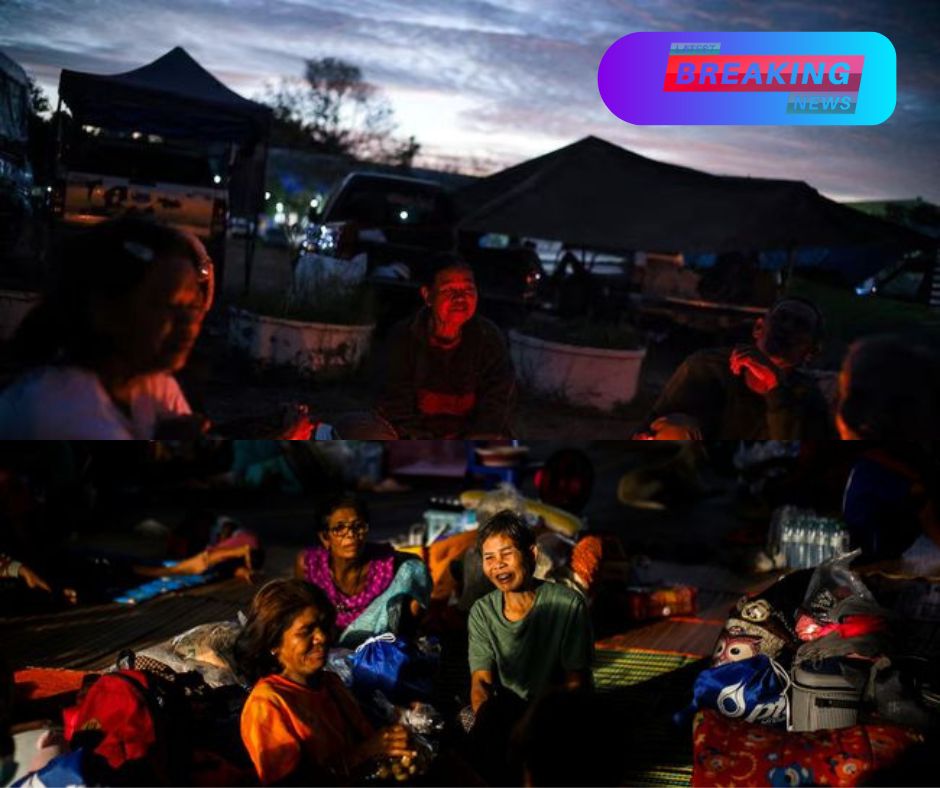
Residents of the border provinces, such as Sisaket and Surin, are facing the brunt of the conflict, with bombings and airstrikes becoming a daily occurrence. The displacement of civilians has put a strain on Thailand’s internal infrastructure, and humanitarian organizations are scrambling to provide aid to those most affected by the violence.
The situation remains fluid, with both countries positioning themselves for a prolonged engagement.
International Reactions and Diplomatic Efforts
The international community has responded with concern as the conflict between Thailand and Cambodia shows no signs of abating. The United Nations has called for an immediate ceasefire and has urged both nations to return to the negotiating table. However, diplomatic efforts have largely stalled, as both sides remain entrenched in their positions.
The United States, European Union, and neighboring ASEAN countries have all expressed their support for peace talks, but with tensions so high, it is unclear whether diplomatic efforts will succeed in halting the violence. Many analysts believe that unless both governments can make significant concessions, the war could drag on indefinitely, with devastating consequences for both nations.
On the economic front, the conflict has already begun to take a toll. Thailand, which relies heavily on its tourism industry, has seen a decline in international visitors, particularly from neighboring countries. Cambodia has also felt the effects of the war, with its agricultural exports disrupted and trade routes with Thailand interrupted.
Looking Ahead: What Comes Next for Thailand and Cambodia?
As the curfew remains in effect and the war continues to unfold, the future of Thailand and Cambodia hangs in the balance. For Thailand, the challenge is not only to protect its borders but also to maintain internal stability as civilian unrest grows.
For Cambodia, the government faces the difficult task of responding to Thai aggression while also keeping its own citizens safe. Both nations are under immense pressure, and with casualties mounting on both sides, it is increasingly likely that international mediation will play a crucial role in bringing an end to the conflict.
In the meantime, citizens of both countries remain caught in the middle, hoping for a swift resolution to a conflict that has already had a devastating impact on their lives. As Thailand enforces its curfew and the war continues to spiral, the eyes of the world will remain fixed on Southeast Asia, hoping for peace but fearing further violence.