Beijing Warns Washington: End Weapons Support for Taiwan or Face Consequences
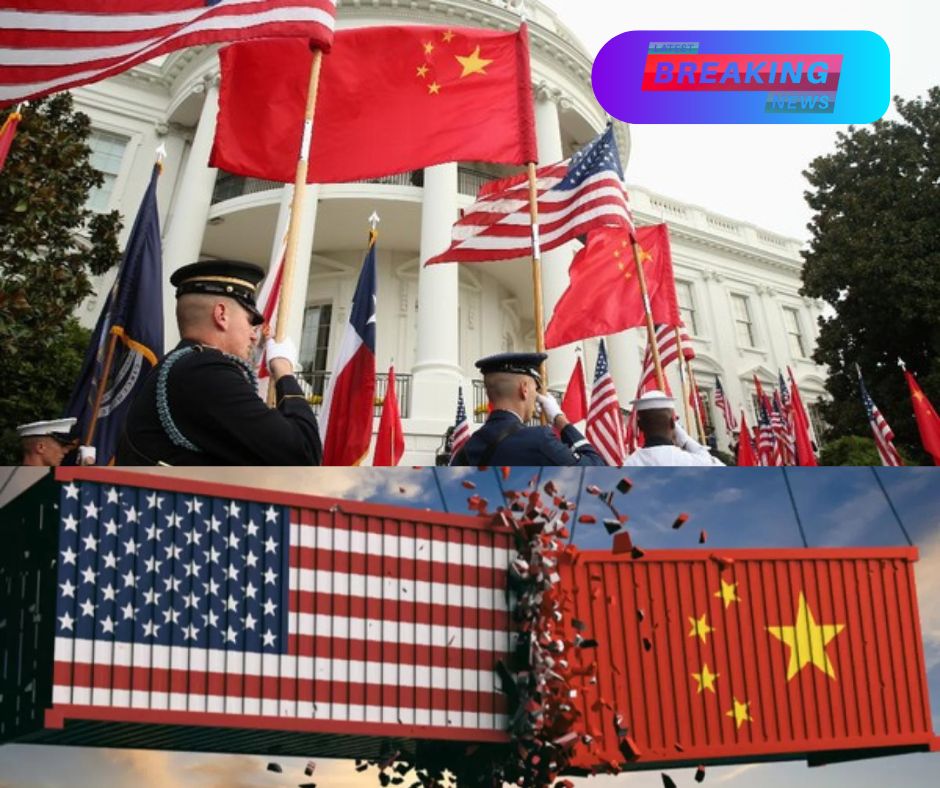
As tensions continue to rise in East Asia, China urges US to stop arming Taiwan, framing American weapons transfers as a direct threat to regional peace and bilateral relations. Chinese officials argue that continued military assistance to Taipei violates prior agreements and fuels instability across the Taiwan Strait. The message from Beijing is increasingly firm: Washington must reconsider its approach or risk deeper confrontation with China.
This renewed warning highlights how Taiwan remains one of the most sensitive and dangerous flashpoints in global geopolitics.
Why Taiwan Sits at the Center of the Dispute
Taiwan’s political status has long been a source of friction between Beijing and Washington. China considers the island an inseparable part of its territory and has repeatedly vowed to achieve reunification, by force if necessary. The United States, while officially recognizing Beijing, maintains unofficial ties with Taipei and supplies defensive military equipment under longstanding legislation.
From China’s perspective, US arms deliveries undermine its sovereignty claims and embolden pro-independence voices in Taiwan. American leaders, on the other hand, argue that weapons sales are meant to deter conflict rather than provoke it.
China’s Core Argument Against US Arms Sales
When China urges US to stop arming Taiwan, its officials usually cite three main points:
First, Beijing insists that military support violates the spirit of previous diplomatic agreements that laid the foundation for US-China relations. Chinese diplomats argue that these understandings were meant to limit official engagement with Taiwan.
Second, China claims that weapons transfers increase the likelihood of miscalculation. More advanced defense systems, they say, raise the risk that tensions could spiral into open confrontation.
Third, Beijing maintains that foreign involvement weakens the prospects for peaceful dialogue across the Taiwan Strait, making compromise more difficult for all sides.
These arguments are often delivered with increasingly sharp rhetoric, signaling Beijing’s frustration.
Washington’s Strategic Perspective
From the US viewpoint, arms sales to Taiwan are part of a broader strategy to maintain balance in the Asia-Pacific region. American officials emphasize that their support is defensive in nature, designed to help Taiwan protect itself rather than pursue independence.
Washington also frames the issue within the context of international norms. US policymakers argue that allowing coercion or force to determine Taiwan’s future would set a dangerous precedent for other regions.
This clash of narratives explains why neither side appears willing to back down, even as diplomatic relations grow more strained.
Military Posturing Raises the Stakes
As China urges US to stop arming Taiwan, military activity around the island has increased. Chinese naval and air patrols near Taiwan have become more frequent, while joint exercises demonstrate Beijing’s growing capabilities.
In response, Taiwan has intensified its own defense preparations, upgrading training programs and modernizing its armed forces. The presence of US weapons systems plays a significant role in this effort, reinforcing Taipei’s confidence but also heightening Beijing’s concerns.
This cycle of action and reaction has created an atmosphere where missteps could have serious consequences.
Regional Reactions and Global Implications
Other countries in the region are watching closely. Allies of the United States, such as Japan and South Korea, are concerned that a conflict over Taiwan would disrupt trade routes and threaten regional security. Southeast Asian nations, meanwhile, worry about being drawn into a power struggle they would prefer to avoid.
Beyond Asia, European governments increasingly view Taiwan through the lens of global stability. Any disruption in the Taiwan Strait could affect supply chains, particularly in advanced technology sectors where Taiwan plays a critical role.
As a result, China’s demand that the US halt arms deliveries resonates far beyond bilateral relations.
Economic and Diplomatic Pressure as Tools
Beijing’s warnings are not limited to words. China has demonstrated a willingness to use economic leverage and diplomatic pressure to signal its displeasure. Sanctions against defense companies involved in Taiwan-related deals have become more common, even if their practical impact remains limited.
At the diplomatic level, Chinese officials frequently link cooperation on other global issues—such as climate change or trade—to US behavior on Taiwan. This strategy aims to raise the cost of continued military support for Taipei.
For Washington, the challenge lies in balancing competition with cooperation, without appearing to concede under pressure.
The Risk of Escalation
The persistent message that China urges US to stop arming Taiwan underscores a deeper concern: the risk of escalation through misunderstanding. Analysts warn that without clear communication channels, military maneuvers or political statements could be misinterpreted.
While neither side appears eager for direct conflict, the accumulation of pressure increases the danger of accidental clashes. Even limited incidents could rapidly escalate given the strategic importance both nations attach to Taiwan.
This reality makes crisis management mechanisms more important than ever.
Is There Space for Dialogue?
Despite the harsh rhetoric, some experts believe there is still room for diplomatic engagement. Confidence-building measures, military-to-military communication, and renewed talks on risk reduction could help stabilize the situation.
However, progress depends on mutual restraint. As long as China urges US to stop arming Taiwan and Washington views those arms sales as non-negotiable, meaningful compromise will remain difficult.
The question is not whether tensions will persist, but whether they can be managed without tipping into confrontation.
A Defining Test for US-China Relations
The Taiwan issue has become a defining test of the broader US-China relationship. It reflects competing visions of regional order, sovereignty, and power. Each weapons shipment, warning, or military drill adds another layer of complexity to an already fragile relationship.
How Washington and Beijing handle this dispute will shape not only the future of Taiwan, but also the stability of the Asia-Pacific region and the global balance of power.
For now, China’s message is clear, the US response is firm, and the world watches closely as one of the most consequential geopolitical standoffs continues to unfold.