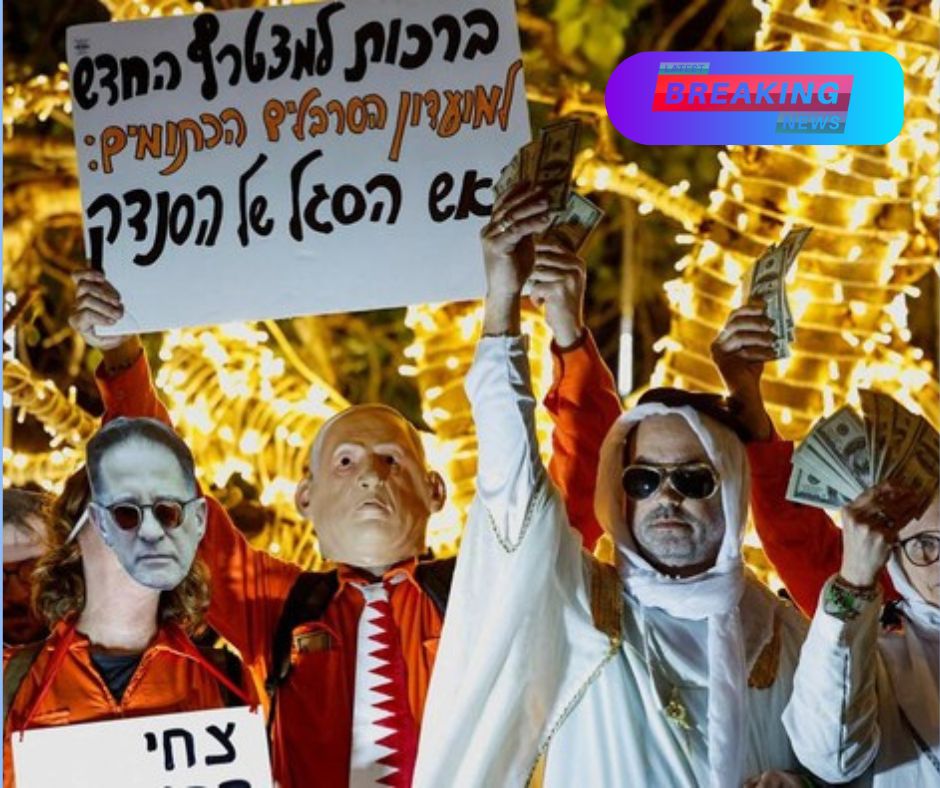
Protests against Netanyahu once again filled the streets of Tel Aviv, as thousands of demonstrators gathered to voice anger toward Israel’s leadership and direction. The renewed wave of rallies highlights deepening public frustration over governance, security decisions, and the prolonged political crisis gripping the country. From chants echoing through central avenues to banners demanding accountability, the message from the streets was clear and immediate.
Tel Aviv Becomes the Epicenter of Dissent
Tel Aviv has emerged as the focal point of sustained opposition to Prime Minister Benjamin Netanyahu. Protesters converged on key locations across the city, including major boulevards and public squares, transforming the urban landscape into a stage for mass political expression.
Demonstrations stretched late into the night, with participants representing a broad cross-section of Israeli society. Students, professionals, veterans, and families joined together, signaling that dissatisfaction extends well beyond traditional opposition groups.
What Is Driving the Protests
At the heart of the protests against Netanyahu are multiple overlapping grievances. Critics accuse the government of mishandling national security, failing to protect civilians, and prioritizing political survival over long-term stability. The ongoing conflict, coupled with economic strain and rising living costs, has intensified public anger.
Judicial reform debates have also resurfaced as a central issue. Many demonstrators fear that proposed changes could weaken democratic institutions and undermine checks on executive power. These concerns have reignited memories of earlier protest movements that drew hundreds of thousands into the streets.
Government Response and Police Presence
Israeli authorities deployed significant police forces to manage the demonstrations in Tel Aviv. Law enforcement set up barricades and redirected traffic as crowds swelled. While most rallies remained peaceful, isolated scuffles were reported when protesters attempted to block major roads.
Officials from the government have characterized the protests as politically motivated, arguing that demonstrations undermine national unity during a period of heightened security threats. Protest leaders reject this framing, insisting that civic pressure is a democratic right rather than an act of disloyalty.
Public Mood Shifts Nationwide
Although Tel Aviv remains the symbolic center, similar demonstrations have taken place in other Israeli cities. The spread of protests suggests a broader national mood of discontent. Polls in recent months indicate declining public confidence in political leadership, with many Israelis calling for early elections or a change in government direction.
Social media has amplified the movement, allowing organizers to mobilize supporters rapidly and share real-time footage from the streets. Images of packed demonstrations have further fueled momentum, encouraging undecided citizens to participate.
Impact on Netanyahu’s Political Standing
For Netanyahu, the sustained protests present a serious political challenge. As Israel’s longest-serving prime minister, his leadership has long polarized public opinion. Supporters credit him with diplomatic achievements and security experience, while opponents argue that his tenure has deepened divisions.
The protests against Netanyahu raise questions about the durability of his governing coalition. Analysts suggest that continued unrest could pressure coalition partners, particularly those sensitive to public opinion, to reconsider their support.
International Attention Grows
The demonstrations in Tel Aviv have drawn international attention, with foreign media closely monitoring developments. Allies and critics alike are assessing how internal unrest may affect Israel’s regional posture and diplomatic relationships.
Human rights organizations and political observers abroad have highlighted the scale of civic mobilization as a sign of a vibrant but strained democracy. At the same time, concerns persist that prolonged instability could weaken Israel’s global standing.
Voices From the Streets
Protesters interviewed during the rallies expressed a mix of anger, fatigue, and determination. Many said they feel compelled to demonstrate repeatedly because institutional channels have failed to deliver meaningful change.
Some participants emphasized that their opposition is not rooted in partisan loyalty but in concern for Israel’s future. Calls for accountability, transparency, and leadership renewal were among the most common themes echoed throughout the crowd.
What Happens Next
As protests against Netanyahu continue, the coming weeks will be critical. Organizers have signaled plans for additional demonstrations, while the government faces mounting pressure to respond decisively. Whether through policy shifts, dialogue, or political restructuring, many believe that ignoring public dissent is no longer an option.
The situation remains fluid, with outcomes dependent on both street momentum and internal political calculations. What is certain is that Tel Aviv has once again become the heartbeat of political expression in Israel.
Conclusion
The wave of protests against Netanyahu resounding through Tel Aviv reflects a society grappling with profound political and social questions. As citizens demand accountability and change, the demonstrations underscore the depth of Israel’s internal debate. Whether this movement reshapes the political landscape or hardens existing divisions will depend on how leaders respond to the voices filling the streets.