Introduction
As regional tensions intensify in East Asia, China’s military has conducted large-scale exercises simulating a China naval blockade of Taiwan, drawing global attention and concern. These drills, involving naval, air, and missile forces, signal Beijing’s growing willingness to use military pressure to assert its claims over the self-governed island. The topic is immediately clear: China is testing scenarios that could dramatically reshape security, trade, and diplomacy across the Asia-Pacific region.
The exercises come at a time when relations between Beijing, Taipei, and Washington are already strained. While Chinese officials describe the drills as defensive and routine, many analysts interpret them as a direct warning to Taiwan and its international partners.
Understanding the Strategic Context
Taiwan occupies a central position in China’s national strategy. Beijing views the island as part of its territory, despite Taiwan operating with its own democratic government, military, and economy. For decades, this disagreement has been managed through careful diplomacy and strategic ambiguity. However, recent developments suggest a shift toward more assertive posturing.
A naval blockade scenario is particularly significant. Unlike an outright invasion, a maritime encirclement could restrict Taiwan’s access to food, energy, and trade without immediately triggering a full-scale war. By practicing such operations, China demonstrates its ability to apply pressure gradually while testing international reactions.
What the Military Drills Involved
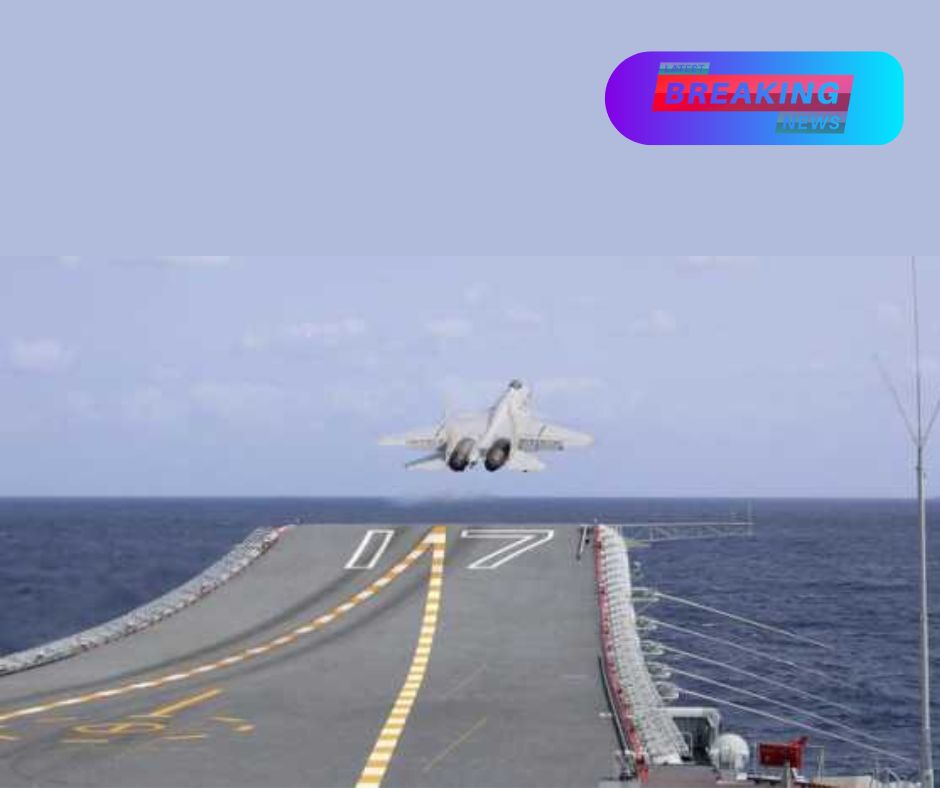
The recent exercises reportedly featured warships, fighter jets, bombers, and missile units operating in coordinated patterns around Taiwan. Naval vessels practiced intercepting shipping lanes, while aircraft simulated air superiority missions. Missile forces were included to showcase long-range strike capabilities.
This type of rehearsal goes beyond symbolic maneuvers. It reflects complex planning, real-time coordination, and logistical readiness. Analysts note that simulating a blockade requires sustained operations, intelligence gathering, and the ability to control surrounding waters—skills China has been rapidly developing over the past decade.
Why a Naval Blockade Matters
A China naval blockade of Taiwan would have consequences far beyond the island itself. Taiwan is a major hub for global trade and a critical supplier of advanced semiconductors. Any disruption to shipping routes could send shockwaves through international markets, affecting everything from consumer electronics to automobiles.
Energy security is another concern. Taiwan imports the vast majority of its fuel and food. Even a partial maritime shutdown could create shortages within weeks. This reality makes blockade simulations especially alarming, as they highlight a form of pressure that could be applied without immediate combat.
Taiwan’s Response and Preparedness
Taiwanese authorities closely monitored the drills and responded with their own defensive measures. The island’s military routinely scrambles aircraft and deploys naval assets during such exercises. In recent years, Taiwan has also invested heavily in asymmetric defense strategies, focusing on mobile missile systems, fast-attack vessels, and air defense capabilities.
Public messaging from Taipei emphasized calm and resilience. Officials reassured citizens that the armed forces remain prepared while also appealing to international partners to uphold stability in the Taiwan Strait.
The Role of the United States and Allies
The United States remains Taiwan’s most important security partner, even without formal diplomatic recognition. Washington has repeatedly stated that it opposes unilateral changes to the status quo. Following China’s drills, US naval vessels continued operations in the region, underscoring freedom of navigation principles.
Allies such as Japan and Australia also expressed concern. Japan, in particular, views stability around Taiwan as directly linked to its own national security due to geographic proximity and shared sea lanes. These reactions suggest that any real-world attempt at a blockade would quickly become an international issue rather than a bilateral dispute.
Domestic Messaging Within China
Inside China, state media framed the exercises as necessary responses to “external interference” and “separatist activities.” This narrative plays an important role domestically, reinforcing national unity and support for the government’s stance on Taiwan.
Military drills also serve an internal purpose by demonstrating the modernization and readiness of China’s armed forces. Showcasing advanced ships, aircraft, and missiles helps build public confidence and signals strength to both domestic and foreign audiences.
Risks of Miscalculation
While these exercises are carefully planned, they carry inherent risks. Increased military activity raises the chances of accidents or misunderstandings. Close encounters between ships or aircraft could escalate quickly if misinterpreted.
History shows that crises often emerge not from deliberate decisions but from miscalculations. In a crowded and heavily monitored environment like the Taiwan Strait, even routine maneuvers can be perceived as provocative, increasing pressure on leaders to respond forcefully.
Global Economic and Political Implications
Beyond security concerns, the global economy has much at stake. Shipping routes near Taiwan are among the busiest in the world. Insurance costs, freight rates, and investor confidence could all be affected by prolonged instability.
Politically, continued simulations of a China naval blockade of Taiwan may harden positions on all sides. Countries that previously avoided taking clear stances may feel compelled to clarify their policies, potentially reshaping alliances and diplomatic strategies across the region.
What Comes Next
Most experts agree that these drills do not mean immediate conflict is inevitable. However, they do reflect a long-term trend toward increased military pressure. China appears intent on normalizing large-scale operations around Taiwan, gradually changing expectations of what is considered routine.
For Taiwan and its partners, the challenge lies in strengthening deterrence while avoiding actions that could trigger escalation. Dialogue, crisis management mechanisms, and clear communication will remain essential in preventing exercises from turning into confrontation.
Conclusion
China’s simulation of a naval encirclement of Taiwan marks a significant moment in the evolving dynamics of cross-strait relations. By rehearsing a China naval blockade of Taiwan, Beijing sends a powerful signal about its capabilities and intentions. While no immediate clash appears imminent, the drills underscore how fragile regional stability has become. As military activity increases, the need for careful diplomacy and international engagement has never been greater.