US citizens leave Venezuela is the urgent directive from the U.S. State Department as tensions escalate in the South American nation. Washington has urged Americans in Venezuela to depart “immediately,” citing a deteriorating security environment, widespread militia activity, and threats that may endanger foreign nationals. The plea underscores the volatility that has gripped the country following dramatic political and military developments.
What Prompted the Emergency Advisory US
The latest warning comes as part of a heightened alert issued by the U.S. Embassy responsible for Venezuela. The State Department’s bureau responsible for consular affairs emphasized that the situation remains “fluid” and potentially hazardous for U.S. citizens residing in or visiting the country.
This advisory is not isolated; Venezuela has long carried the highest travel advisory level—Level 4, meaning “Do Not Travel”—due to ongoing civil unrest, crime, and instability. However, recent events have intensified concerns enough to prompt U.S. officials to shift from “do not travel” to a direct evacuation call.
Reports of Armed Militia Activity US
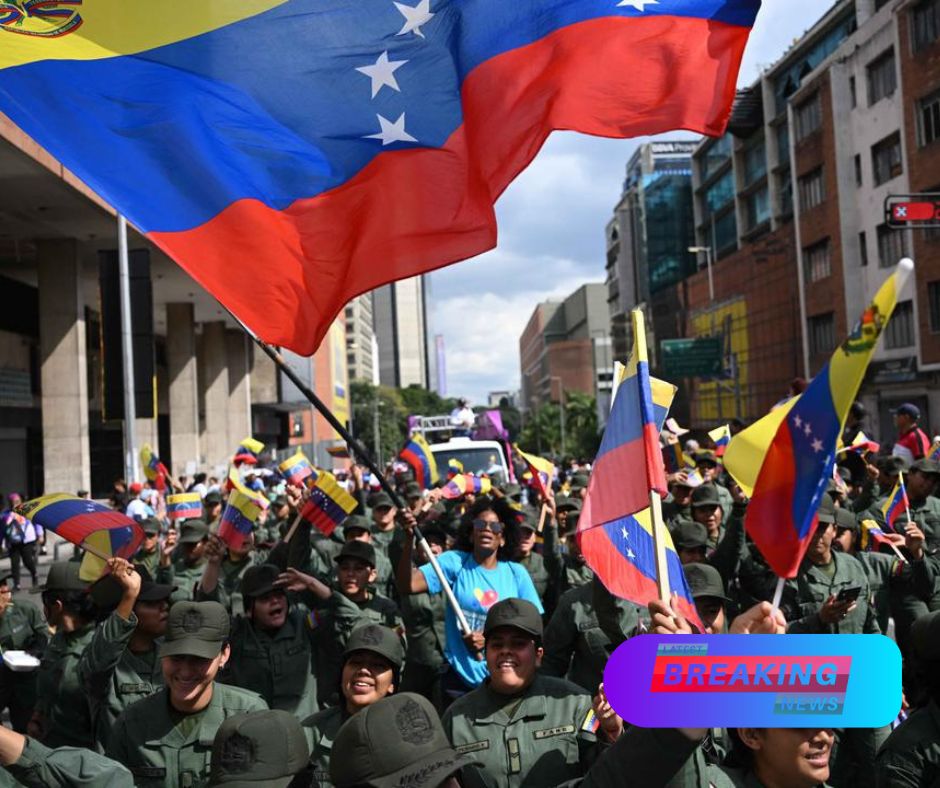
One of the central reasons behind the evacuation plea involves reports of armed groups known locally as colectivos. These pro-government militia have allegedly set up roadblocks and checkpoints, checking vehicles and searching for signs of U.S. citizenship or support for the United States. Such behavior heightens the risk for foreigners who may be mistaken for political opponents or subjects of suspicion.
The State Department warned that Americans should be especially cautious when traveling by road, remain vigilant, and consider departing now that international flights have resumed.
Diplomatic Presence and Consular Support Limitations
Another complicating factor is the absence of a U.S. diplomatic mission in Venezuela. Since 2019, the United States has effectively withdrawn its embassy staff from Caracas and relocated many functions to the U.S. Embassy in Bogotá, Colombia. This means that routine and emergency consular assistance inside Venezuela is extremely limited.
Without on-the-ground diplomatic support, American citizens are more vulnerable if they encounter legal trouble, health emergencies, or violence. The advisory stresses that the U.S. government “cannot provide emergency services” in many situations within the country.
Recent Political Upheaval Fueling Instability
The security alert comes on the heels of major political developments. At the beginning of January 2026, U.S. special operations forces carried out a high-profile raid in Caracas that resulted in the capture of Venezuelan President Nicolás Maduro and his wife on charges related to narcoterrorism. This unprecedented intervention has deeply unsettled the political landscape and heightened tensions across the nation.
Supporters of Maduro have condemned the operation as unlawful and imperialistic, while opponents celebrated the removal of the long-time leader. The polarized reaction has contributed to street protests, increased militia activity, and a fractured public order.
Safety Risks Highlighted by the Advisory
The advisory outlines multiple serious threats that could affect U.S. citizens still in Venezuela, including:
- Wrongful detention by local authorities or armed groups
- Terrorism or kidnapping attempts linked to militia activity
- Civil unrest and violent clashes between opposing factions
- Arbitrary enforcement of local laws
- Poor health infrastructure and limited access to care
These factors combine to create a perilous environment for any foreign national who might become entangled in national-level unrest or targeted as a symbol of outside influence.
Regional and International Repercussions
The developments in Venezuela are also influencing other countries’ travel advisories. For example, Russia’s embassy has advised its citizens to avoid travel to Venezuela in light of recent U.S. military action and escalating tensions.
International concern grows as Venezuela’s internal dynamics risk spilling over into neighboring states through refugee flows, economic instability, and diplomatic fallout.
What Americans in Venezuela Should Do Now
For those still in Venezuela, the State Department has recommended:
- Monitoring flight availability and booking departures as soon as possible
- Staying informed through official embassy communications
- Avoiding travel by road where armed checkpoints are reported
- Keeping regular contact with family members outside the country
- Enrolling in the Smart Traveler Enrollment Program (STEP) for real-time alerts
Taking these precautions may significantly reduce personal risk and ensure that U.S. citizens are better prepared to leave safely.
How Caracas Has Responded
Venezuelan authorities have rejected the U.S. warnings, calling them exaggerated or fabricated. According to official statements, the country is experiencing stability and “absolute calm,” with all security apparatuses under government control. However, independent journalists and civil society groups have documented armed militia presence in parts of Caracas, suggesting the situation on the ground is complex and potentially hazardous.
Conclusion
The directive for US citizens leave Venezuela immediately marks a significant escalation in travel and security alerts from Washington. Faced with armed militia checkpoints, a fragile political transition, and a lack of diplomatic support, the United States is urging its nationals to exit a nation in turmoil. As global attention remains focused on Venezuela’s next chapter, the safety of foreign residents underscores the broader humanitarian and geopolitical stakes at play.