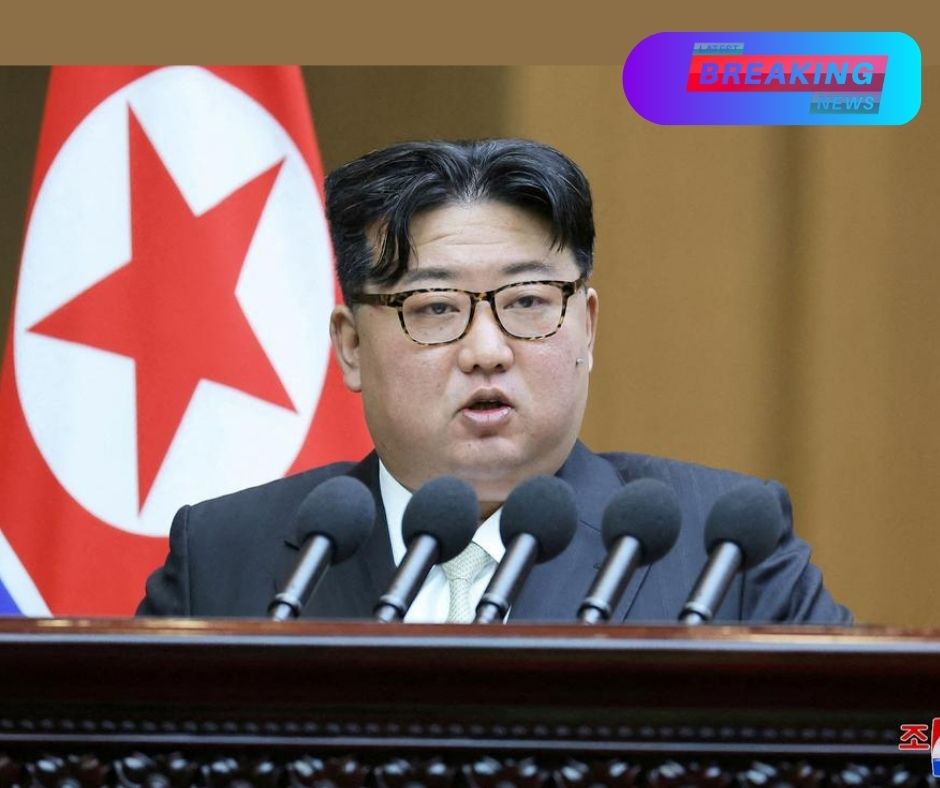
North Korea criticizes the United States over the UN after Pyongyang issued a sharply worded statement accusing Washington of acting “shamelessly” and undermining the authority of the United Nations. The declaration, released through state media, framed the United States as hostile not only toward North Korea but also toward the multilateral system that governs international relations. The message was clear: Pyongyang sees Washington’s recent actions as an attack on global norms.
The outburst comes amid heightened tensions surrounding sanctions, security resolutions, and debates inside the UN Security Council. For North Korea, these developments are not isolated incidents but part of what it calls a broader campaign to pressure and isolate the country.
What Triggered the Latest Statement?
According to Pyongyang, Washington has been using the UN as a political tool rather than as a neutral platform for diplomacy. Officials in the North argue that US-led initiatives, especially those aimed at tightening sanctions or condemning missile tests, ignore the principle of sovereignty.
By claiming that the US “hates” the UN, North Korean media sought to portray Washington as hypocritical: a nation that often speaks about rules-based order but allegedly bends international institutions to serve its own agenda. .
The Broader Context of US–North Korea Tensions
Relations between Washington and Pyongyang have been strained for decades, driven by nuclear ambitions, missile launches, and sanctions. Each time North Korea conducts a weapons test, the issue returns to the UN, where resolutions are debated and, in many cases, approved.
From Pyongyang’s perspective, these resolutions are unfair and politically motivated. That is why North Korea criticizes the United States over the UN so strongly: it views Washington as the architect behind many of the penalties that restrict its economy and limit its access to international trade.
How the UN Fits Into the Dispute
The United Nations plays a central role in managing global security threats, including nuclear proliferation. When North Korea launches missiles or advances its weapons program, the Security Council often discusses possible responses.
By repeating that North Korea criticizes the United States over the UN, Pyongyang is attempting to shift the focus away from its own actions and onto what it describes as institutional bias. In other words, the regime is challenging not just American policy but the credibility of the UN itself.
Reactions From Washington and Beyond
So far, US officials have dismissed the accusations as propaganda. They maintain that their approach toward North Korea is based on international law and collective security concerns. Other countries, particularly US allies, continue to support UN resolutions aimed at curbing Pyongyang’s weapons programs.
Still, North Korea criticizes the United States over the UN in a way that resonates with some nations that are skeptical of Western dominance in global institutions. .
Why Pyongyang Uses Such Strong Language
Harsh rhetoric has long been a hallmark of North Korean diplomacy. By labeling the US as “shameless,” the leadership seeks to rally domestic support and project defiance abroad. This communication style also serves a strategic purpose: it raises the cost of ignoring North Korea’s grievances.
Potential Impact on Future Diplomacy
If North Korea criticizes the United States over the UN repeatedly, it could push some countries to call for reforms in how the Security Council handles contentious issues. At the same time, it could harden the resolve of those who believe strong measures are necessary to prevent nuclear proliferation.
Conclusion
The latest declaration from Pyongyang adds another layer of tension to an already complex relationship. By accusing Washington of undermining the UN, North Korea is challenging both American leadership and the legitimacy of the global system that enforces international rules.
For now, North Korea criticizes the United States over the UN as part of a broader struggle over power, security, and recognition. Until meaningful dialogue resumes, such confrontational statements are likely to remain a defining feature of this uneasy standoff.