The threat of Trump Iran tariffs has returned to the global spotlight after Donald Trump warned that any country continuing business with Tehran could face new economic punishment from the United States. The statement has revived fears of a wider trade conflict, especially as major economies like China maintain strong commercial ties with Iran.
The former U.S. president’s remarks suggest a renewed strategy of “maximum pressure,” aiming to isolate Iran financially while forcing its trading partners to choose between Tehran and Washington.
What Trump Is Proposing
Trump has signaled that countries purchasing Iranian oil, investing in its energy sector, or supplying key goods could be targeted by fresh U.S. tariffs. Unlike traditional sanctions, these measures would work through trade penalties, making them harder to avoid.
The goal is simple: reduce Iran’s ability to earn foreign currency and fund its government programs. However, the impact would not stop at Iran’s borders.
Under this plan, businesses and governments around the world would face a difficult decision—continue profitable deals with Iran or risk losing access to the U.S. market.
Why Iran Remains a Key Focus
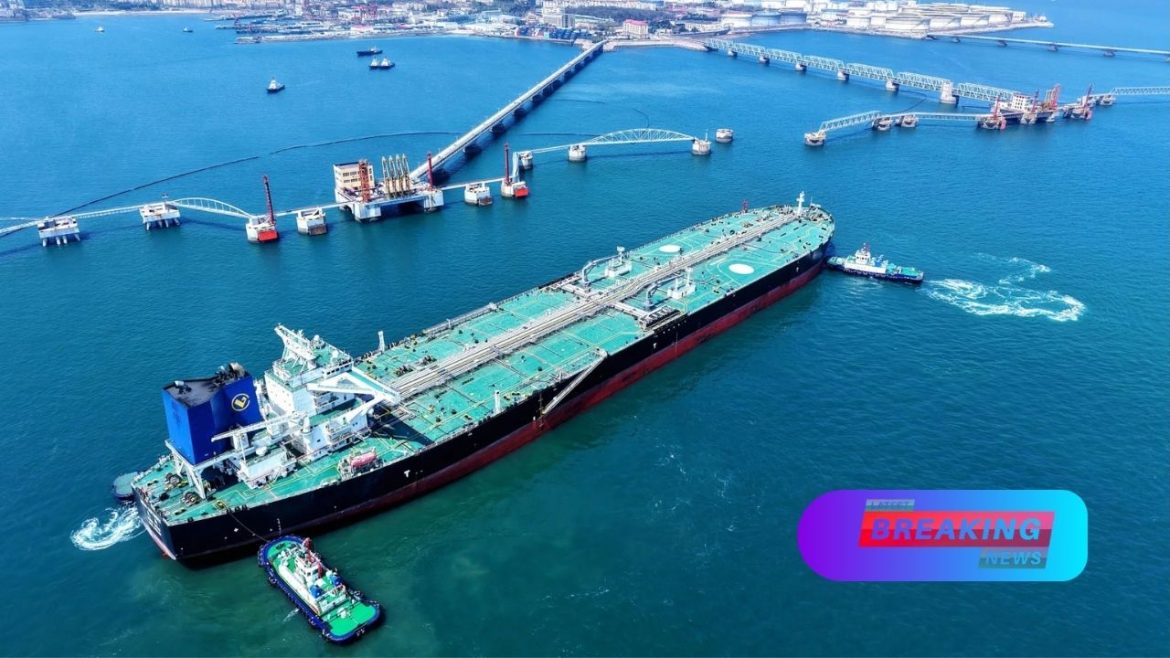
Iran’s economy depends heavily on exports, especially crude oil and petrochemicals. Even under heavy sanctions, Tehran has found ways to sell its resources, often through Asian buyers and indirect channels.
Trump Iran tariffs are designed to close those loopholes. By targeting third-party countries, the U.S. would aim to make any Iran-linked trade economically painful.
This approach mirrors Trump’s earlier policies during his first term, when Washington imposed sweeping sanctions that sharply reduced Iran’s oil revenue.
Could China Be Caught in the Crossfire?
China is one of Iran’s largest trading partners. Beijing buys significant volumes of Iranian energy, sometimes at discounted prices, and Chinese firms are involved in infrastructure and industrial projects inside Iran.
If Trump Iran tariffs were fully enforced, Chinese companies could be among the most affected. That would raise tensions between the world’s two largest economies, which already have a complicated trade relationship.
Why China Still Trades with Iran
China values Iran for several reasons:
- Stable access to energy supplies
- Strategic positioning along Belt and Road routes
- Leverage in global diplomacy
Beijing has often criticized unilateral U.S. sanctions, arguing that they violate international trade rules. As a result, China may resist pressure to cut ties with Tehran.
How This Could Reshape Global Trade
The reintroduction of Trump Iran tariffs would ripple across international markets. Energy prices, shipping routes, and financial networks could all be affected.
Countries in Asia, the Middle East, and even Europe that maintain limited trade with Iran might face new risks. Companies could pull back from projects to avoid U.S. penalties, slowing investment and growth.
At the same time, Iran would likely look for alternative partners and barter-style arrangements to keep its economy afloat.
Political Motives Behind the Warning
Trump’s tough stance on Iran has always been popular with parts of his political base. By threatening new tariffs, he reinforces his image as a hardline leader willing to use economic tools to force change.
The timing of these remarks also suggests a desire to influence global politics. By putting China and other countries on notice, Trump is reminding allies and rivals alike that U.S. financial power remains a powerful weapon.
What Iran and Its Partners Might Do Next
Iran is unlikely to give in easily. Instead, Tehran may:
- Expand trade with non-Western partners
- Use alternative payment systems
- Increase regional economic cooperation
China, for its part, could seek diplomatic negotiations to limit the impact of any Trump Iran tariffs. However, if relations with Washington deteriorate further, Beijing may decide that maintaining ties with Iran is worth the risk.
A New Phase of Economic Pressure
The warning about Trump Iran tariffs signals a potential return to aggressive economic warfare. While the policy is aimed at Iran, its true impact could be felt far beyond the Middle East.
If countries like China become targets, global trade could face another wave of uncertainty. For now, businesses and governments are watching closely, knowing that even a single announcement from Washington can reshape markets overnight.
One thing is clear: the issue is no longer just about Iran. It is about who controls the rules of international trade in an increasingly divided world.